Wolfskinder Begriff 2.0

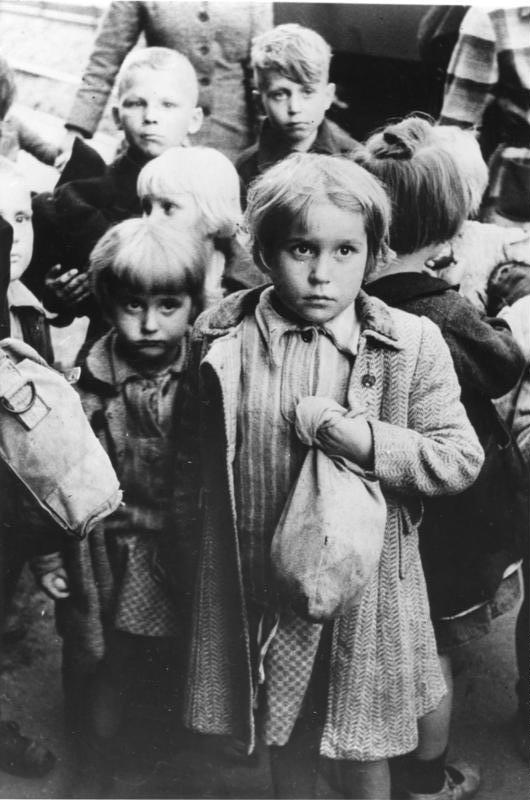
Datei:Bundesarchiv Bild 183-2003-0703-500, Rückführung deutscher Kinder aus Polen.jpg

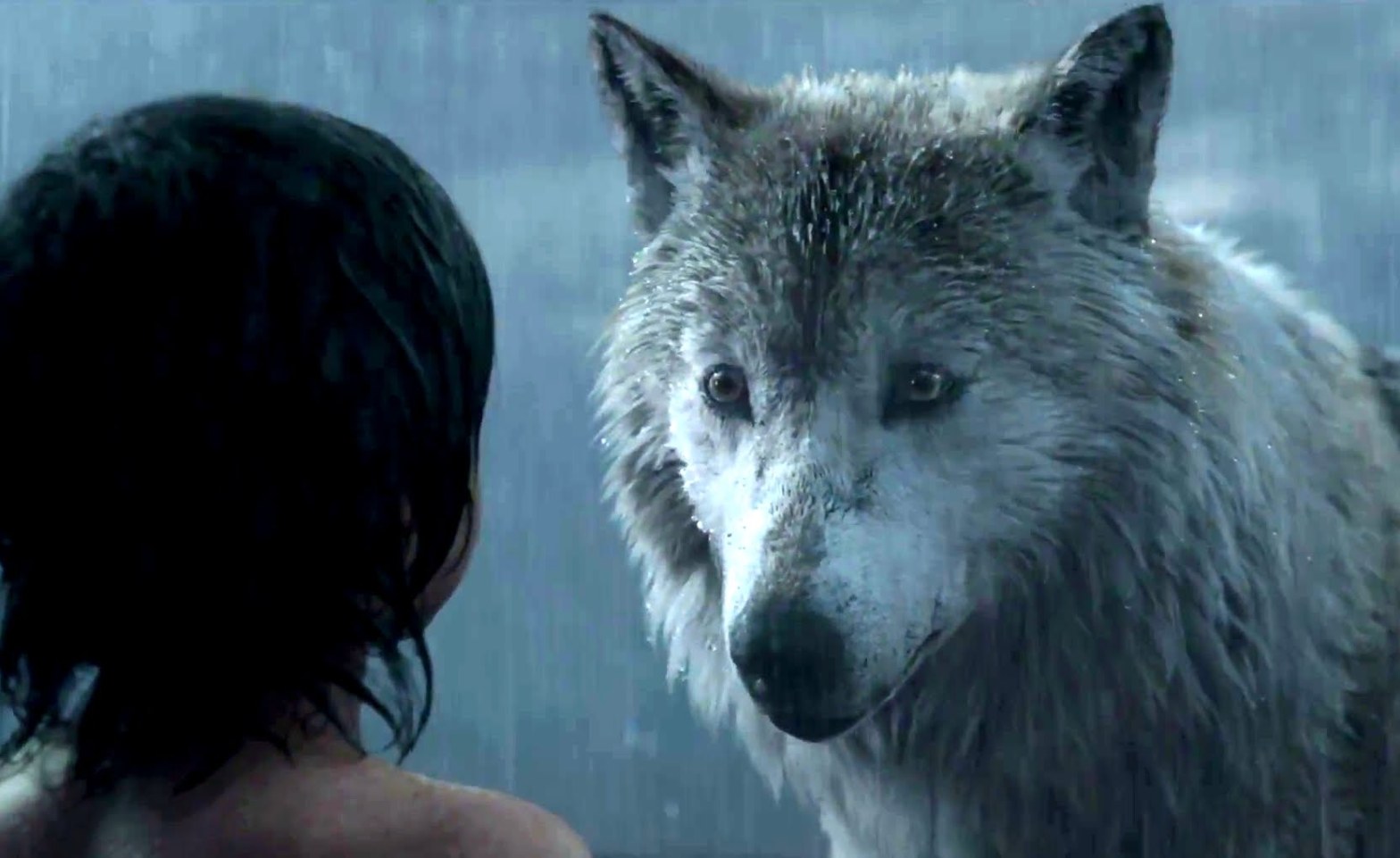
Geprägt wurde der Begriff in den Jahren nach dem zweiten Weltkrieg, als Kinder, deren Eltern aufgrund der extremen Hungersnot in Ostpreußen verstorben waren, allein aus der Region flohen. Viele der Waisen flohen zunächst in die Wälder und später nach Litauen, wo sie als Arbeitskräfte auf Bauernhöfen Unterschlupf fanden; oft unter sehr schlechten Bedingungen. Der Großteil von ihnen erhielten nie eine Schulausbildung. Der Begriff ‘Wolfskind’ spielt auf die Sage von Romulus und Remus an, die im Wald ausgesetzt und von einer Wölfin aufgezogen wurden. Eigentlich ein schönes Bild der Fürsorge zwischen Spezies in einer Notsituation. Romulus und Remus ist es wohl etwas besser ergangen als den meisten echten Wolfskindern und sie hatten dann auch noch Zeit und Muße, um Rom zu gründen. Aber sie waren ja auch Kinder eines Gottes, vielleicht lag’s daran. 
Wolfskinder

Als Wolfskinder werden Kinder bezeichnet, die während ihrer frühkindlichen Entwicklungsphase isoliert wurden, das heißt von jeglichen sozialen Kontakten abgeschnitten. Das ist so ziemlich das Schlimmste, was man einem Kind antun kann. Es handelt sich also um Opfer von Misshandlungen oft körperlich und psychisch. Oft sind die Eltern selbst psychisch krank. Aber wieso dieser Name um so ein schreckliches Schicksal zu beschreiben? Mir scheint da, neben einer abwertenden Haltung gegenüber den Opfern, viel  Angst vor dem Unzivilisierten, Nicht-eingegliederten, “Wilden” mitzuschwingen. 

Fäden..

Also offensichtlich habe ich mich mit dem Blog Format ein bisschen schwer getan.. Aber mit etwas Abstand sieht man ja manchmal klarer. Ich werde also jetzt retrospektiv den Kreationsprozess dokumentieren. 

Und zwar mache ich das nicht chronologisch sondern eher thematisch. Das heißt, in jedem Post beschreibe ich einen Gedanken oder ein Konzept, was mich im Prozess inspiriert hat. Manchmal habe ich unterwegs den Überblick verloren und hatte das Gefühl, zu viele verschiedene Dinge miteinander verbinden zu wollen. Aber dann sind all diese Gedanken aus der selben Recherche hervorgegangen. Und nach einer Weile habe ich gemerkt, dass die verschiedenen Fäden auch wieder zusammenführen. Hier also ein Versuch der Zusammenführung.

Moving forward, taking shape

In the beginning I was excited.

The first time working on a solo. Not an act. A solo piece. Without anyone telling me what to do. Absolute freedom. 
Excitement stayed for a short moment. 

Then excitement left and pressure came. What was that, I had always wanted to create, always wanted to make art about? This was the moment in my career where I would define my art… Wow. Way too much pressure. 

I got stuck. Nothing was moving anymore mot even me. I was sitting on my bed trying to come up with a genius concept but nothing was good enough for my critical mind. 
I thought of other creation processes that I had been part of. Doubting the project was inevitable part of the process. But now it resulted in inactiveness. I was just chewing my nails and browsing the Internet for inspiration. My nails were getting shorter but the inspiration wasn’t coming. People were asking me about how it went with my project and I avoided answering as I didn’t feel confident about the concept anymore. 

What got me out of it were two things.
One: Physical research. Despite of not knowing where I was going with it I bought 12 granite stones and brought them to the studio. And then I just improvised with them and things happened. Two: Don’t judge. At least not yet. At this stage of the process I needed to tell myself that what I was aiming for was a collection of material. Good stuff and also just stuff. If and how and why, all this was for later. 

An image of rage

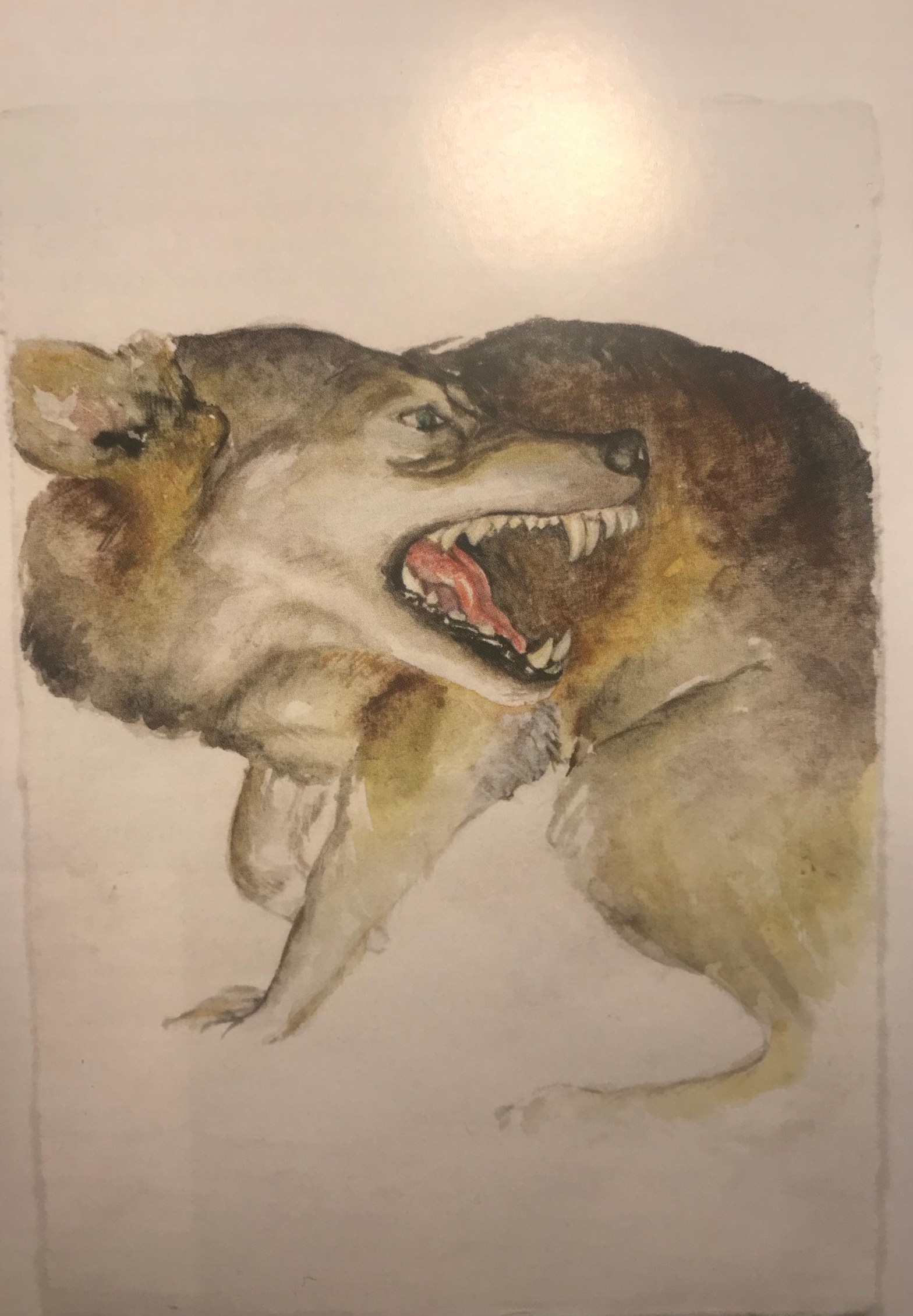
‘[…]For even in those works where Dewes catches the wolf mouthing a piece of flesh,

a bodyless limb, she askes us to look at the wolf just for what it is, nothing less, nothing more. Perhaps that’s why the artist has repeatedly returned to the figure of the wolf in the first place, because it allows her to capture, to freeze the sight of the predator in a way that is pragmatic: ultimately these works facilitate a face-to-face encounter with and witnessing of what would, in humans, be rage itself. ‘ Eliel Jones

Picture: Maria Anna Dewes (2008): Wolf. Drawing, watercolor on handmade paper. Photo: Hans-Georg Gaul. From Julia Stoschek Collection: A fire in My Belly.